How Weather Conditions Affect Asphalt Paving and Blacktopping
People seeking asphalt paving and blacktopping often need help understanding how weather conditions affect the quality and durability of their surfaces, and local contractors can provide expert guidance and services to ensure proper installation and maintenance.
Understanding how weather conditions affect asphalt paving and blacktopping is essential for property owners planning outdoor surface projects. Factors like temperature fluctuations, moisture levels, and seasonal changes can influence the durability and appearance of paved surfaces. For those considering new paving or repairs, knowing how weather impacts the process can help ensure a successful outcome. Local contractors who specialize in asphalt and blacktopping are well-versed in these conditions and can provide guidance tailored to the area's climate, helping property owners make informed decisions that stand the test of time.
Exploring how weather conditions affect asphalt paving and blacktopping is especially practical for property owners aiming to protect their investments. Unfavorable weather during installation can lead to issues such as cracking, uneven surfaces, or premature deterioration. By working with experienced service providers familiar with local weather patterns, property owners can better plan projects to avoid weather-related setbacks. Keep reading to discover how different weather factors influence paving outcomes and how local experts can help navigate these challenges effectively.
- Asphalt Paving - homeowners may need asphalt paving when extreme temperature fluctuations cause cracking, and local contractors can implement proper curing techniques to minimize damage.
- Blacktopping - blacktopping services are essential after heavy rainfall or freeze-thaw cycles that weaken existing surfaces, with local pros applying appropriate materials to ensure durability.
- Asphalt Paving - during hot weather, local service providers can adjust asphalt mix temperatures to prevent softening and ensure a smooth, long-lasting surface.
- Blacktopping - in cold conditions, blacktopping experts may delay work or use specialized materials to prevent cracking caused by freezing and thawing cycles.
- Asphalt Paving - adverse weather conditions can delay projects, but experienced local pros know how to adapt their methods to protect the integrity of asphalt paving and blacktopping installations.
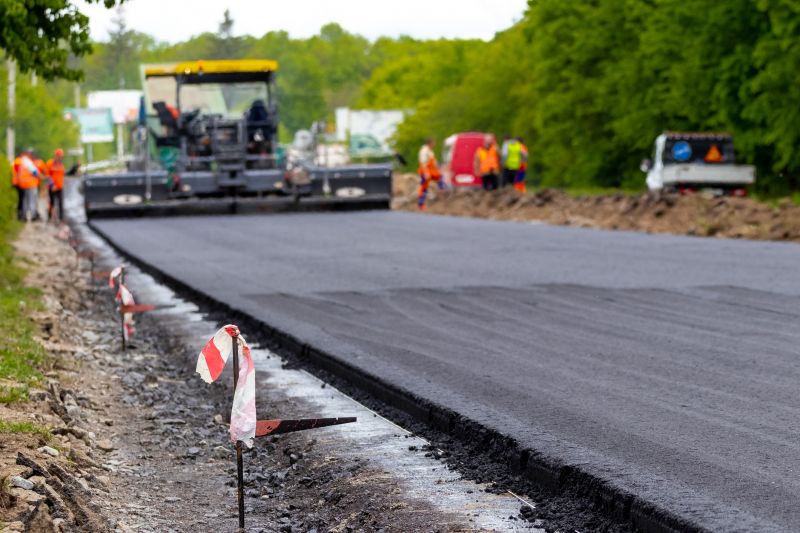
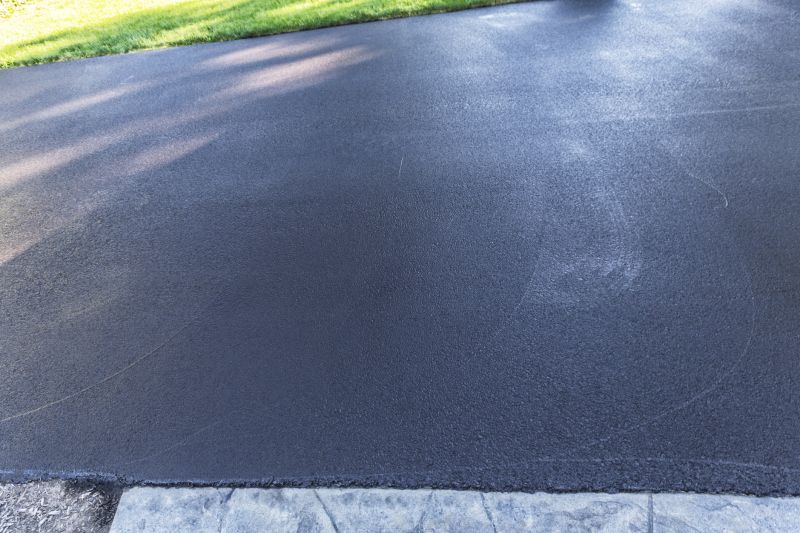
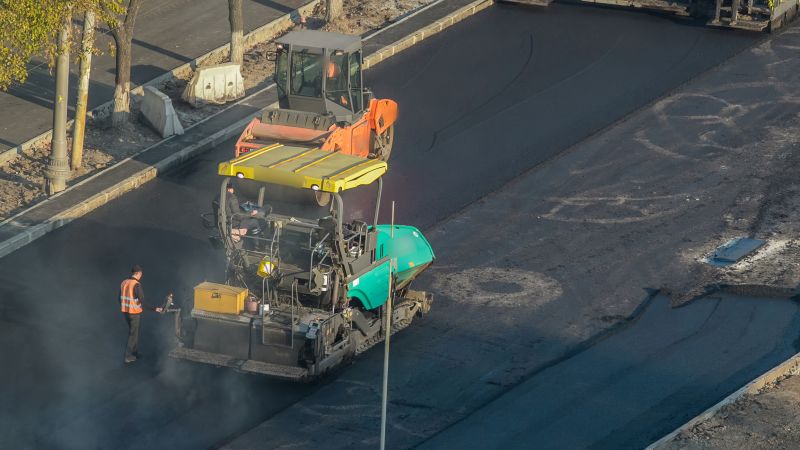
Understanding how weather conditions affect asphalt paving and blacktopping is essential for homeowners planning driveway or parking lot projects. When people search this topic, they often want to know how temperature, humidity, and precipitation can influence the quality and longevity of their paving work. Weather plays a significant role in every stage of asphalt installation, from preparing the base to laying and compacting the material. Recognizing these factors helps homeowners avoid common problems like cracking, uneven surfaces, or premature deterioration, ensuring that their investment lasts longer and performs as expected.
This topic is closely related to various property plans, including new driveway installations, repairs, or overlays on existing surfaces. For example, extreme heat can cause asphalt to become too soft, making it difficult for contractors to achieve a smooth, durable finish. Conversely, cold weather can hinder proper compaction and lead to weak spots that may crack or crumble over time. Rain and moisture are also critical considerations, as they can delay work, cause uneven settling, or introduce water into the sub-base. Homeowners often seek guidance on timing projects to avoid these issues or want to understand how weather-related challenges might impact their existing blacktopping or paving plans.
Properties that typically come up in discussions about how weather conditions affect asphalt work include residential driveways, commercial parking lots, and community pathways. These surfaces are exposed to daily wear and tear, making proper installation and maintenance vital. Local contractors who specialize in asphalt paving and blacktopping are familiar with how different weather patterns influence their work. They can advise on the best times of year to undertake projects, as well as techniques to mitigate weather-related risks. For homeowners, understanding these factors helps in planning projects around favorable conditions, ensuring the durability and appearance of their paved surfaces over time.
In practical terms, homeowners benefit from knowing how weather conditions can impact asphalt and blacktopping projects because it allows them to make informed decisions and coordinate with experienced service providers. Whether planning a new driveway or repairing an existing surface, working with local contractors who understand the effects of weather ensures proper timing and execution. These professionals can adapt their methods to prevailing conditions, such as using specific materials or techniques suited for colder or wetter weather. Ultimately, awareness of how weather influences asphalt paving and blacktopping helps homeowners protect their investment and achieve a durable, long-lasting surface.
Driveway Reconstruction - local contractors specializing in driveway reconstruction understand how weather conditions affect asphalt paving and blacktopping, ensuring proper planning and execution for durable results.
Parking Lot Resurfacing - professionals in parking lot resurfacing are experienced in managing weather-related challenges that impact asphalt installation and longevity.
Roadway Repair - roadway repair services require knowledge of weather influences on asphalt work to achieve smooth, lasting surfaces in varying conditions.
Sidewalk and Pathway Paving - local service providers skilled in sidewalk paving are aware of weather impacts on asphalt and blacktop, helping to prevent future damage.
Sealcoating Services - experts in sealcoating understand how weather conditions can affect asphalt protection treatments and can advise on optimal timing.
Storm Damage Asphalt Repair - contractors handling storm damage repair are familiar with weather effects on asphalt and blacktopping, enabling effective restoration work.
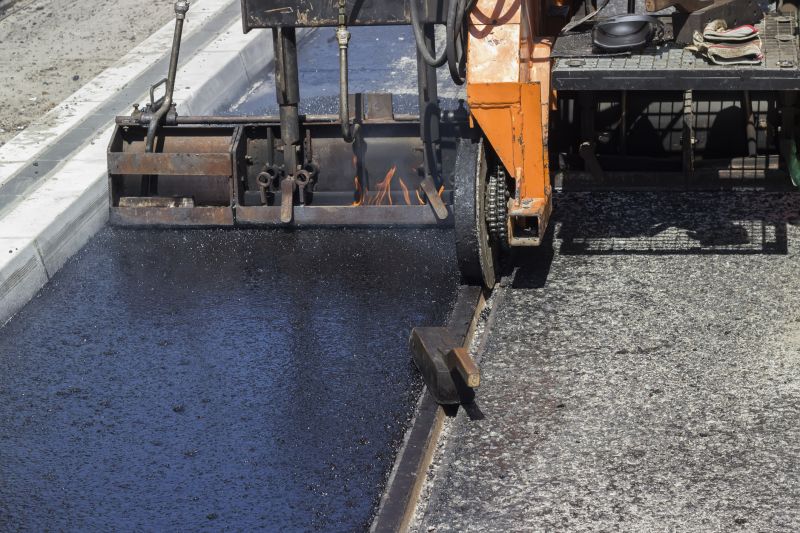
When evaluating asphalt paving and blacktopping service providers, it is important to consider their experience with similar projects, especially those influenced by weather conditions. An experienced contractor will have a history of handling paving jobs in various weather scenarios, understanding how temperature fluctuations, moisture levels, and seasonal changes can impact the quality and longevity of the pavement. This knowledge helps ensure that the chosen service provider can adapt their methods to protect the integrity of the blacktop, minimizing issues like cracking or uneven surfaces caused by weather-related factors.
Clear, written expectations are essential when comparing local contractors for asphalt paving and blacktopping. A reputable service provider will be able to outline how weather conditions may affect the process and the final results, including any necessary precautions or adjustments. Having this information in writing helps establish a shared understanding of what to expect, ensuring that weather-related challenges are addressed proactively and that the project’s scope aligns with the realities of local climate patterns.
Reputable references and good communication are key indicators of a dependable contractor. When evaluating options, it’s helpful to seek out references from previous clients who had projects affected by weather conditions, as they can provide insights into how well the contractor managed weather-related issues. Additionally, a service provider’s ability to communicate clearly about how weather influences asphalt paving and blacktopping-such as scheduling considerations or material choices-can make a significant difference in achieving a durable, well-finished surface. This level of transparency and responsiveness helps ensure the project proceeds smoothly despite weather challenges.
Property owners often search for how weather conditions affect asphalt paving and blacktopping when they are planning practical projects around their homes and businesses. Local pros provide Asphalt Paving and Blacktopping services for everyday jobs and straightforward project options.
Weather conditions play a significant role in how asphalt paving and blacktopping projects turn out. For property owners planning to upgrade or repair their driveways and parking lots, understanding the impact of temperature, moisture, and seasonal changes can help ensure a successful job. For example, extremely cold temperatures can cause asphalt to become too brittle, leading to cracks or uneven surfaces, while excessive heat may make the material too soft, resulting in ruts or deformities. Rain and moisture can also interfere with proper compaction and adhesion, which might cause issues down the line. Local contractors are experienced in assessing weather patterns and timing projects accordingly to achieve the best results.
Considering how weather conditions affect asphalt paving and blacktopping is especially important for property owners looking to avoid costly repairs later. Service providers in the area can advise on the optimal times for paving work, taking into account seasonal variations and forecasted weather. Proper planning and execution by local pros help ensure the pavement withstands temperature fluctuations and moisture exposure, maintaining its appearance and durability over time. Whether preparing for a new installation or repairs, understanding these weather-related factors can make a noticeable difference in the longevity and quality of the finished surface.
How do temperature changes impact asphalt paving and blacktopping? Temperature fluctuations can cause asphalt to expand and contract, potentially leading to cracks or surface damage. Local contractors are experienced in adjusting their paving methods to accommodate these changes for better durability.
Can rain or moisture affect the quality of asphalt paving and blacktopping? Yes, excessive moisture during paving can weaken the asphalt mix and cause uneven surfaces or future potholes. Skilled service providers monitor weather conditions to ensure proper installation and curing.
How does cold weather influence asphalt paving projects? Cold weather can slow down the curing process and make asphalt more prone to cracking. Local pros often schedule paving during suitable conditions or use techniques to mitigate cold-related issues.
Does hot weather pose any challenges for asphalt and blacktopping? High temperatures can cause asphalt to become too soft, leading to deformities or ruts. Experienced contractors adjust their work methods to prevent surface problems in hot conditions.
How can local service providers help ensure quality paving despite weather conditions? They assess current weather forecasts and choose optimal times for paving, employing techniques to manage temperature and moisture challenges for a lasting finish.
Timing of paving projects - Scheduling asphalt paving and blacktopping during favorable weather conditions can help ensure a smooth and durable surface. Property owners can work with local contractors to plan projects when temperatures are ideal.
Preparation for temperature fluctuations - Understanding how temperature changes impact asphalt work allows property owners to choose the right time for installation or repairs. Local service providers can advise on optimal weather windows for best results.
Managing moisture and precipitation - Avoiding paving during rainy or snowy weather prevents moisture issues that can weaken asphalt. Local contractors can help determine the best times to proceed based on current and forecasted weather.
Protecting new pavement from weather damage - Applying protective measures after paving can minimize weather-related damage, especially in unpredictable conditions. Property owners can coordinate with local pros to ensure proper care during vulnerable periods.
If you are thinking about how weather conditions affect asphalt paving and blacktopping for a property, this guide is meant to help you understand this topic, the typical project types, and how different options might fit your plans.
When you are ready, you can use the quote form on this page to share a few details about your project. From there, local pros can review the basics and follow up with options that match what you have in mind.